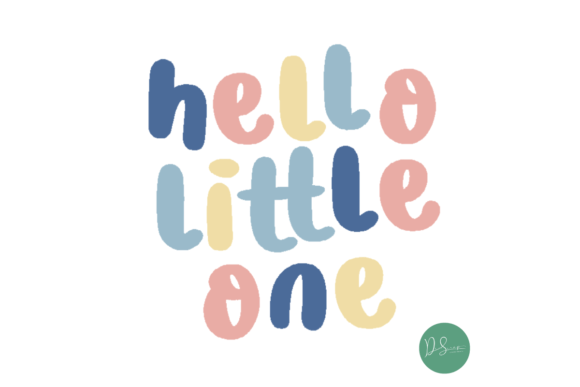
Welcome with Charm: Hello Little One
First Impressions and Visual Personality
As an embroidery designer, my first impression of Hello Little One is that it exudes a welcoming, playful, and charming vibe. This design, originally intended for nursery decor, can easily transition into a versatile and appealing option for small business merchandise and branded patches. The friendly and cute aesthetic makes it perfect for businesses looking to add a touch of warmth and personality to their products.
Performance in Real Business Use
Hello Little One performs exceptionally well in various business applications. Here’s how it can be used effectively:
- Embroidered Patches: Ideal for adding a personal touch to staff uniforms or as a decorative element on tote bags and caps.
- Chest Logo Accent: A subtle yet impactful way to brand work shirts and aprons, making them stand out in a boutique or café setting.
- Sleeve Detail: Adds a unique and charming touch to custom apparel, enhancing the overall look and feel of the garment.
- Cap Design: Perfect for the front of caps, providing a focal point that is both endearing and professional.
- Tote Bag Mark: A delightful addition to tote bags, making them more appealing and memorable for customers.
- Apron Embroidery: Enhances the appearance of aprons, making them suitable for use in bakeries, florists, and other creative studios.
- Boutique Merchandise: Can be used to create a cohesive and attractive line of products, from baby clothes to home decor items.
Considerations for Specific Applications
While Hello Little One is versatile, there are specific areas where it should be used with care:
- Small Patch Sizes: Ensure the design maintains its clarity and readability when scaled down. Test it at different sizes to confirm it still looks great.
- Cap Fronts: The curved surface of a cap requires careful placement to avoid distortion. Use a stabilizer and test on a sample cap first.
- Curved Surfaces: Similar to caps, any curved surface, such as mugs or rounded bags, needs extra attention to ensure the design sits well.
- Tiny Lettering: Check that the lettering remains legible, especially in smaller formats. Adjust the stitch density if needed to maintain clarity.
- High Stitch Density: For designs with high stitch counts, consider the fabric texture and the potential for puckering. Use the right stabilizer and test on the actual fabric.
- Textured Fabric: The design may need adjustments on textured fabrics like corduroy or denim. Test on a swatch to ensure it looks clean and professional.
- Dark Uniforms: Ensure there is enough contrast between the thread colors and the fabric. Darker backgrounds may require lighter, bolder threads.
- Frequent Washing: For items that will be washed often, such as uniforms and aprons, use durable threads and a strong stabilizer to maintain the design's integrity.
Impact on Brand Identity and Customer Engagement
Incorporating Hello Little One into your small business merch can significantly enhance your brand identity. The design’s friendly and inviting nature can build customer trust and recognition, making your products more appealing and memorable. It adds a premium, handmade touch that elevates the perceived value of your items, whether they are for sale or as gifts. The consistent use of this design across various products, from embroidered patches to tote bags, helps in creating a cohesive and professional image.
Practical Embroidery Designer Notes
Before using Hello Little One in your commercial embroidery projects, here are some practical tips:
- Test in Black and White: Start by testing the design in black and white to check for clarity and balance. This step is crucial before moving to colored threads.
- Check Small Patch Size: Verify that the design works well at the smallest size you plan to use. This ensures it remains clear and readable.
- Review Thread Color Contrast: Choose thread colors that provide good contrast with the fabric. This is especially important for dark uniforms and textured materials.
- Inspect Spacing: Make sure the spacing between letters and elements is appropriate. Adjust as needed to avoid overcrowding or gaps.
- Confirm Hoop Size: Ensure the design fits within the hoop size you plan to use. This prevents issues with alignment and stitching quality.
- Test on Real Fabric: Always test the design on the actual fabric you will be using. This helps in identifying any potential issues with texture and stitch density.
- Use Proper Stabilizer: Select the right stabilizer for the fabric and design. This is essential for maintaining the design's shape and preventing puckering.
- Create a Mockup for Client Approval: Before final production, create a printable mockup to show clients. This helps in getting their approval and making any necessary adjustments.
- Compare with Other Design Assets: Place Hello Little One beside other design assets to ensure visual consistency and harmony across all your branded products.
- Confirm Commercial Licensing: Before using the design for commercial purposes, confirm that you have the appropriate licensing. This is crucial to avoid any legal issues.
By following these guidelines, you can effectively incorporate Hello Little One into your small business merch, creating a visually appealing and professionally consistent line of products. Whether it’s for embroidered patches, custom apparel, or branded merchandise, this design is a charming and versatile choice that can help elevate your brand’s presence and appeal.